Joinery has evolved. What was once a supporting element in luxury interiors, is now doing the work of architecture, furniture, and services within a single resolved system. Clients are arriving at brief stage with a clearer sense of identity, and the expectations placed on cabinetmaking have risen to meet it. This piece looks at what has changed in design, what clients are consistently asking for, and where the discipline is now.
Date
Author
Atelier
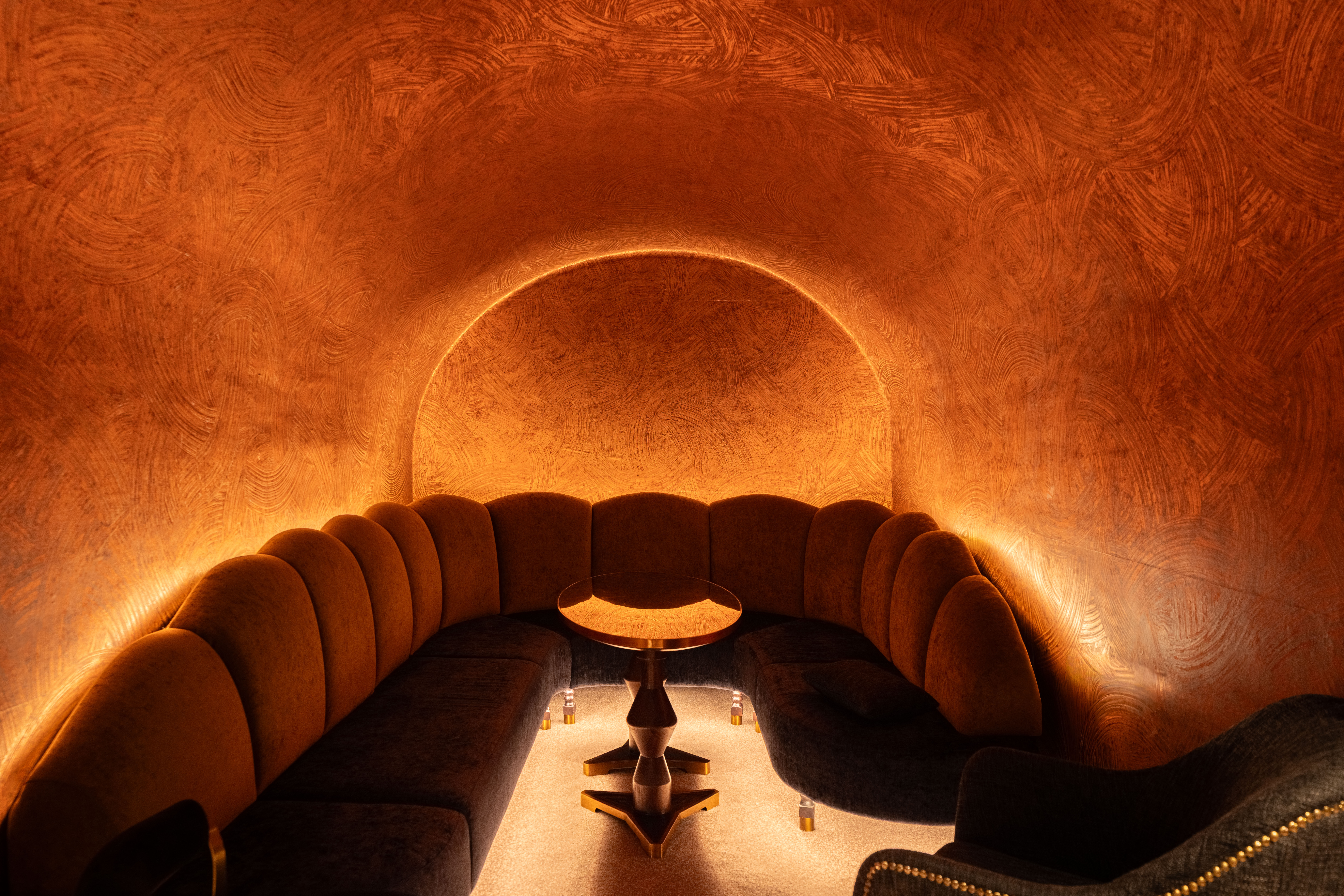
Clients who once wanted spaces to feel calm and uncluttered now want them to feel specific to them. A well-made neutral interior is no longer enough.
The question being asked at brief stage has changed from "how should this look" to "how should this feel to live in."
The discipline has had to follow.
What is changing in design
Texture, material depth, and layered colour are replacing the blank-canvas approach. Clients increasingly want spaces that feel specific to them rather than generically considered.
Visually, the shifts are clear. Soft geometry and curves are appearing in joinery, door profiles, and island forms. Stone and timber are being selected for character rather than neutrality. Saturated tones, particularly deep greens, terracotta, and blue, are replacing the greys and off-whites that defined the previous decade.
Architectural joinery, which previously played a supporting role, is now often the defining feature of a room.
How the discipline has evolved
Several specific evolutions define where the discipline is now. Individual pieces have given way to integrated systems: walls of joinery working as unified compositions, with material consistency across different functions within the same space.
Alongside that sits a move toward invisible precision. Shadow gaps, flush junctions, details that register only when you look for them. The quality is present, but it does not announce itself.
The work has also become responsive rather than static, with lighting layers integrated into the joinery itself, concealed functions, and moving parts that resolve cleanly when not in use.
Underpinning all of it is performance. Acoustic panels, durable finishes, thermal consideration. Joinery that does the job of architecture, furniture, and services within a single resolved system.
"There's a renewed appreciation for craft, celebrating the handmade and finding beauty in the natural imperfections of materials and object"
James Lees, co-founder of London Studio Pirajean Lees
A closing note
What connects all of these shifts is that the expectations placed on joinery have risen significantly.
It is no longer sufficient to be well made. The work has to be architecturally integrated, materially intelligent, technically capable, and precise enough to disappear when required. That is a different discipline from cabinetmaking, as it was understood a decade ago.
At Atelier, it is the only discipline we practice. If your next project demands that standard, we would welcome the conversation.